The Perilous Psychology of the Tracks: Why Some Play \'The Game of Chicken\' Near Railways and How Safety Initiatives Help Prevent Tragedies
The Perilous Psychology of the Tracks: Why Some Play \'The Game of Chicken\' Near Railways and How Safety Initiatives Help Prevent Tragedies
 When I think about railway tracks, I see them as arteries of industry and connection, weaving across landscapes, carrying goods and people. Yet, for some, these vital pathways represent something far more sinister: a stage for a dangerous and utterly irrational act often dubbed \'the game of chicken.\' It\'s a phenomenon that truly baffles me, a perilous dance with death where individuals, often young and driven by complex impulses, intentionally place themselves in harm\'s way against an oncoming train. As someone deeply invested in safety, understanding this behavior is not just a professional interest, but a personal one, driven by the profound tragedies it so often precipitates. My aim here is to pull back the curtain on this dangerous game, explore its psychological underpinnings, and shed light on how dedicated safety initiatives are working tirelessly to prevent these senseless losses.
Defining the Danger: The \'Game of Chicken\' on Railway Tracks
The \'game of chicken\' near railway tracks isn\'t a game at all; it\'s a terrifying gamble with life itself. At its core, it involves individuals deliberately positioning themselves on or dangerously close to active railway lines, often with the express intention of moving away at the last possible moment as a train approaches. This act of bravado, or profound misjudgment, is a significant contributor to railway trespass statistics globally. It\'s not just about crossing tracks where you shouldn\'t; it\'s about a conscious decision to flirt with catastrophe, to challenge an unstoppable force, and to push the limits of survival against impossible odds. The inherent danger is so extreme that the mere thought of it sends shivers down my spine, knowing full well the devastating consequences that almost inevitably follow.The Alarming Statistics of Railway Trespass and Fatalities
The numbers paint a stark and heartbreaking picture. Globally, railway trespass remains a persistent and alarming issue, contributing to a tragic number of injuries and fatalities each year. These aren\'t just statistics; they represent lives cut short, families shattered, and communities left in grief. While not every trespass incident involves \'playing chicken,\' a significant portion of preventable deaths and severe injuries on tracks are directly linked to individuals deliberately placing themselves in harm\'s way. Every year, I hear reports of young people, and sometimes adults, losing their lives or suffering life-altering injuries due to these high-risk behaviors. These figures underscore the urgent need to understand the psychological drivers behind such acts and to bolster our preventive efforts.The Mind on the Rails: Psychological Drivers Behind Risky Behavior
So, what truly compels someone to stand against a speeding train? It’s a question that has puzzled psychologists and safety advocates for years. From my perspective, the psychology behind these dangerous encounters is multifaceted and deeply unsettling. It\'s often not a simple act of defiance, but rather a complex interplay of developmental stages, emotional vulnerabilities, and environmental influences, particularly among adolescents and young adults who are disproportionately represented in these tragic statistics. Understanding these underlying psychological factors is crucial if we are to truly combat this issue effectively.The Lure of Adrenaline, Peer Pressure, and Misjudged Risk
Several powerful psychological forces can drive individuals towards the tracks. For many, especially teenagers, there\'s an undeniable allure of adrenaline—the intense rush that comes from confronting danger and escaping it. This thrill-seeking behavior is often amplified by peer pressure, where the desire for social acceptance, validation, or to prove bravery to friends can override any sense of self-preservation. It becomes a twisted rite of passage, a way to gain status within a group. Compounding this is a profound miscalculation of danger. Young minds, still developing their prefrontal cortex, often struggle with fully grasping long-term consequences, perceiving themselves as invincible, and underestimating the immense power, speed, and suddenness of a train. They believe they can always react in time, a fatal flaw in judgment that the laws of physics simply do not permit.Underlying Vulnerabilities: Mental Health and Lack of Awareness
Beyond the thrill and social dynamics, deeper vulnerabilities can also play a significant role. Impulsivity, often a characteristic of adolescence, can lead to snap decisions without considering the gravity of the situation. Furthermore, underlying mental health challenges, such as depression, anxiety, or a history of trauma, can manifest as risky behaviors, with individuals seeking extreme experiences as a coping mechanism or a cry for help. Sadly, sometimes it\'s also a simple lack of education regarding the immense power and speed of trains. Many people genuinely don\'t understand how quickly a train covers ground, how long it takes to stop (often over a mile for a freight train), or how far the overhang extends beyond the rails. This unawareness, combined with other factors, can create a deadly cocktail that contributes to these perilous encounters.Beyond the Thrill: The Devastating Realities and Lasting Consequences
While the initial impulse might be about a thrill or a moment of perceived courage, the reality of a railway incident is anything but. The impact is severe, irreversible, and extends far beyond the immediate victim. It\'s a ripple effect of devastation that touches countless lives, leaving a legacy of pain and trauma that lingers for years, even decades. This isn\'t just a lesson about railway safety; it\'s a profound reminder of the fragility of life and the far-reaching consequences of a single reckless decision.Human Cost: Injuries, Fatalities, and Grief
The ultimate price paid by those who engage in railway trespass is often their life or a life-altering injury that leaves them permanently disabled. I’ve seen firsthand the profound grief experienced by their loved ones—parents, siblings, friends—who are left to grapple with an unimaginable loss, often compounded by feelings of guilt, anger, and an endless stream of \'what ifs.\' There\'s no coming back from being hit by a train, no second chances. The human cost is immeasurable, leaving an empty space in the fabric of families and communities that can never truly be filled.Psychological Trauma for Rail Workers and Witnesses
What\'s often overlooked is the immense emotional and psychological toll on those who witness these horrific events. Train operators, despite their extensive training, are often powerless to prevent a collision once someone is on the tracks. They carry the burden of these incidents for the rest of their lives, experiencing severe psychological trauma, PTSD, and moral injury. Similarly, first responders, police officers, paramedics, and other witnesses—including passengers on the train or bystanders—are exposed to unimaginable scenes, which can lead to lasting psychological distress. These are the hidden victims, and their struggles underscore the pervasive and tragic reach of railway incidents.Frontline Prevention: How Safety Initiatives Are Making a Difference
Faced with such a grim reality, it\'s easy to feel overwhelmed, but I assure you, hope is not lost. Across the globe, dedicated organizations and individuals are stepping up, implementing a variety of efforts and programs designed to prevent railway accidents and discourage dangerous behaviors. These frontline prevention efforts are making a real difference. We understand that simply telling people not to trespass isn\'t enough; we need to address the underlying psychological drivers and provide viable alternatives and robust safety measures. It’s about creating a culture of safety, fostering understanding, and empowering communities to protect their own. One key area of focus is raising awareness about the extreme dangers associated with railway tracks and actively combating risky actions like playing `il gioco del pollo`. Various organizations are tirelessly working to educate the public, especially young people, on the potentially fatal consequences of such acts. They develop campaigns that not only highlight the risks but also provide resources and information for prevention, offering support for those who might be vulnerable or simply unaware. For example, initiatives that focus on providing information and support related to railway safety and discouraging dangerous behaviors, including `il gioco del pollo`, often direct people to valuable resources like those found at il gioco del pollo, which aims to help people understand the dangers and choose safety. By actively addressing the problem with targeted campaigns and accessible information, we can empower individuals to make safer choices and ultimately, save lives.Empowering Communities: Education, Technology, and Collaboration for Safer Tracks
Preventing these tragedies requires a multi-pronged approach, focusing on specific strategies and tools that address the problem from various angles. From educating the youngest members of our society to deploying advanced technologies and fostering strong inter-agency collaboration, every effort plays a crucial role in creating a safer environment around our railway lines.The Power of Education and Awareness Campaigns
Education is, in my opinion, one of our most powerful tools. Targeted educational programs in schools, delivered by railway safety ambassadors, can begin to shift perceptions and instill safer behavior from a young age. These programs often use engaging stories, real-life testimonials, and interactive materials to help children and teenagers understand the dangers without resorting to fear-mongering. Online campaigns leverage social media to reach a wider audience, using relatable content to highlight risks and promote responsible behavior. Community workshops and public service announcements also play a vital role, ensuring that the message of railway safety permeates throughout society. It\'s about demystifying the tracks and replacing fascination with respect.Technological Solutions: Fencing, Surveillance, and Warning Systems
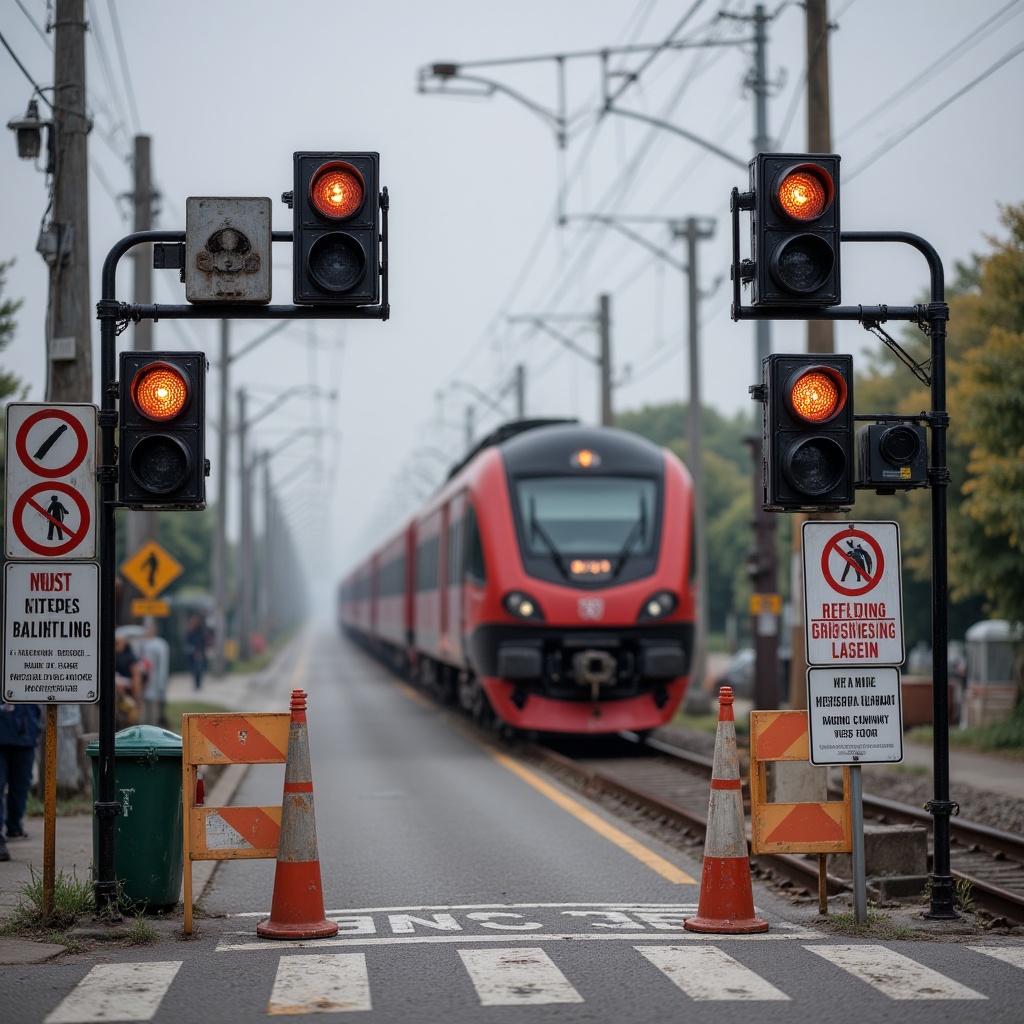
Beyond education, technology offers tangible solutions. Physical barriers, such as robust fencing along railway corridors, serve as a fundamental deterrent against trespass, making access more difficult and less appealing. Advanced surveillance technologies, including CCTV cameras and drone monitoring, can help identify trespass hotspots and allow authorities to intervene before an incident occurs. Furthermore, improved warning systems at crossings—better signage, audible alarms, and flashing lights—are constantly being upgraded to ensure that drivers and pedestrians are fully aware of an approaching train, reducing the likelihood of impulsive or accidental trespass. These technological advancements act as crucial layers of protection.